

Western Sydney’s storm season runs from late spring through summer. Hail, wind-driven rain and falling branches are the main threats to glass, and a lot of storm damage starts with a weakness that was already there: a cracked pane, a loose panel or a door that never quite latched. Here is the 20-minute walk-around we suggest for homes in Penrith and the surrounding suburbs.
1. Look for cracks and chips you have been living with
A small crack is the weak point a gust or hailstone will find. Glass with a crack, a chipped edge or a pane that rattles in its frame is far more likely to break in a storm than a sound pane. If you can see a crack, or feel a chip with your fingernail, get it assessed before the weather turns. Most single panes can be replaced within a few business days through our home glass replacement service.
2. Check the seals and putty
Run your eye along the rubber seals or putty around each pane. Gaps, shrinkage and brittle rubber let wind-driven rain in behind the glass. On aluminium windows the wedge seals can usually be replaced without removing the glass. On older timber sashes, cracked putty should be redone so the pane stays bedded firmly in the frame.
3. Test every lock and latch
A window or sliding door that does not latch can be pulled open or slammed shut by a gust, and that is how a lot of storm breakages happen. Close and lock each one. If a sliding door has to be lifted or forced to lock, the rollers or track are worn. Our guide to sliding door roller failures explains when a repair is enough.
4. Clear the tracks and drainage slots
Sliding door and window tracks have small weep holes that let water drain out. When they are blocked with dirt and leaves, heavy rain overflows the track and runs onto the floor. A vacuum and an old toothbrush clear them in a few minutes.
5. Trim branches near glass
Falling branches are a common cause of broken glass in storms. Look at any limbs that could swing into a window, skylight, glass balustrade or pool fence. Trimming them back costs far less than replacing a 12 mm toughened pool fence panel.
6. Check glass balustrades and pool fencing
Make sure every panel is firm in its spigots or channel and the hardware is tight. A loose panel can be moved by wind or hit by debris, and a damaged pool fence is a compliance problem until it is fixed. We can replace a single panel to match the existing run through our glass pool fencing service.
7. Know what to do if glass breaks
If a window breaks during a storm:
- Keep people and pets away from the broken glass, and wear closed shoes and gloves if you have to go near it.
- Take photos before you clean up. Your insurer will want them.
- Do not climb a ladder in high wind to tape or cover a large broken pane.
- Call for a make-safe. Our 24/7 emergency glass team boards up the opening so the home is secure and dry, then returns with the correct glass.
We cover the steps after the event in storm-damaged windows: what to do, and the paperwork in our smashed glass insurance guide.
Shopfronts and offices
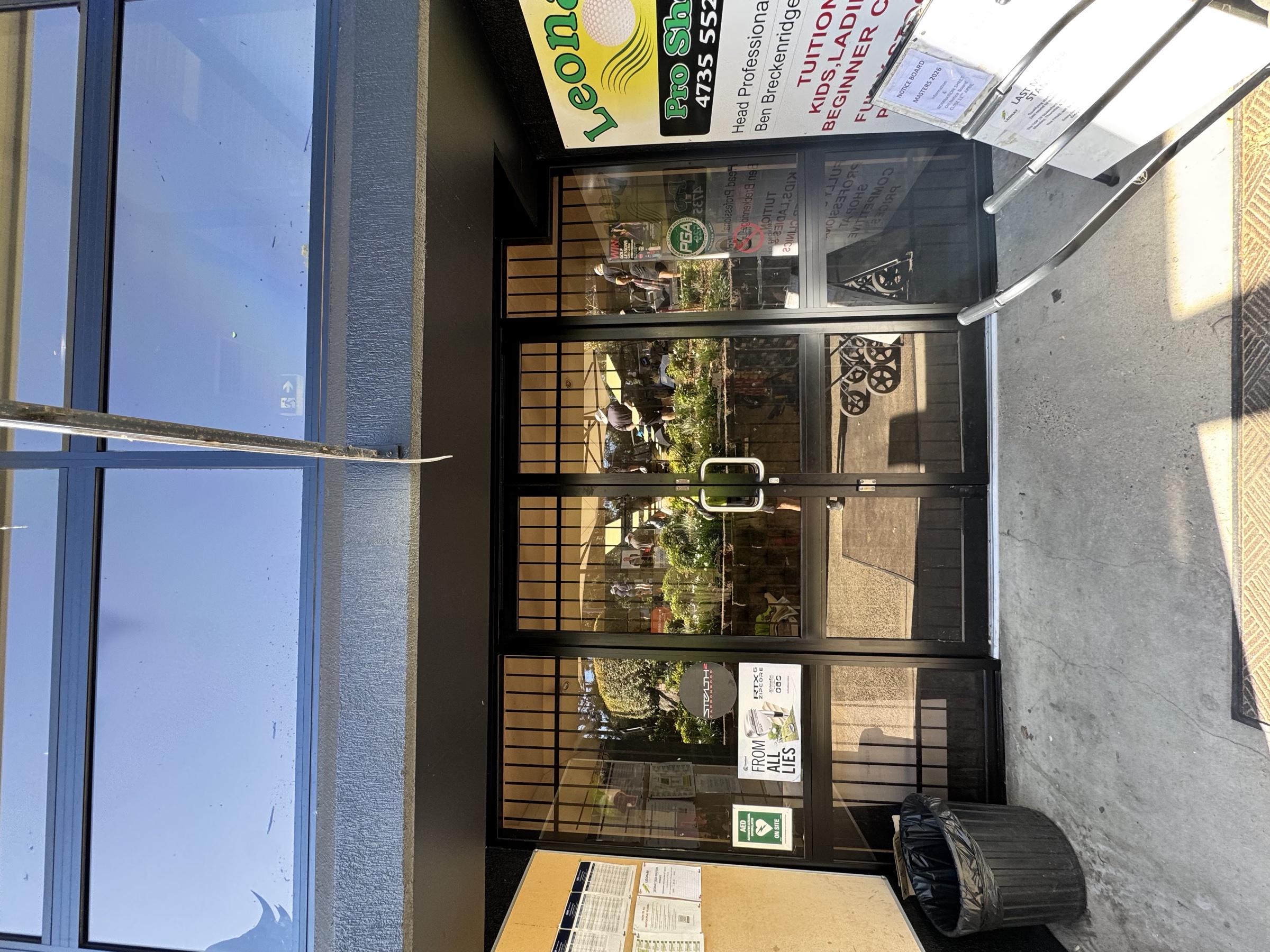
Commercial properties face the same risks at a larger scale. Large panes, automatic doors and glazed entries are worth checking before the season, especially where there is a history of leaks. We look after commercial entries like the clubhouse at Leonay Golf Club and can inspect the glazing across a whole site.
Found something on your walk-around?
If you spot a crack, a loose panel or a door that will not lock, send us a photo. We quote from photos and usually fix it within a few business days across Penrith, St Marys, Glenmore Park and the rest of Western Sydney. Call 02 4722 2787.


