
Every summer we hear the same thing from Western Sydney homeowners: one room is unbearable from mid-afternoon. It is nearly always the room with west-facing glass. The good news is that the glass itself can be changed, and the right choice depends on what you want to keep: the view, the light or the budget.
Why west-facing glass is the problem
In the afternoon the sun is low in the western sky and shines straight through west-facing windows instead of hitting them at a steep angle. That direct sun is solar heat gain, and ordinary clear glass lets most of it through. Once it is inside, the heat stays in the room long after sunset. Internal blinds help with glare, but by the time sunlight reaches the blind most of the heat is already indoors.
Two numbers to ask about
Glass performance is described with two ratings. The SHGC (solar heat gain coefficient) is the share of the sun’s heat that gets through. For a hot west-facing room, lower is better. The U-value measures how much heat conducts through the glass, which matters most in winter and on hot nights. When you get a quote for heat control, ask for both figures so you can compare options properly.
Option 1: Low-E glass
Low-E glass has a thin, invisible coating that reflects heat. Solar control versions are designed to keep summer heat out while looking close to clear. It is the most popular choice when people want to keep the view and natural light. We explain the different coatings in Low-E glass explained.
Option 2: Tinted glass
Tinted glass absorbs part of the sun’s heat and cuts glare. It is cost-effective, but it darkens the room and changes the look of the window from outside, which matters if you want it to match the rest of the house.
Option 3: Double glazing with Low-E
A double glazed unit with a Low-E pane gives the best all-round result: less solar heat, less conducted heat and less noise. If your frames have a deep enough rebate we can retrofit units into them, otherwise the window is replaced. See our double glazed windows page for configurations and costs.
Option 4: Stop the sun before it reaches the glass
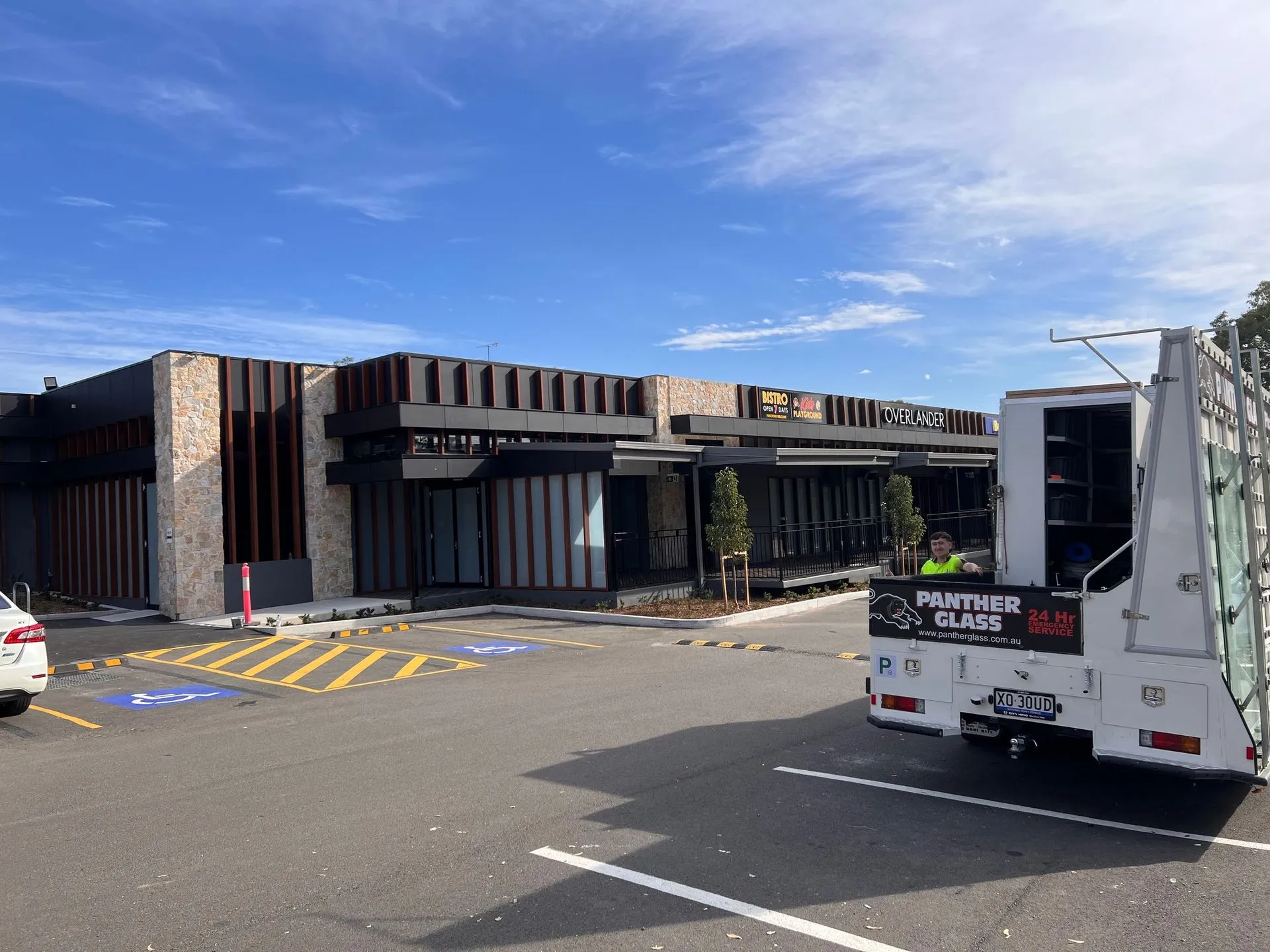
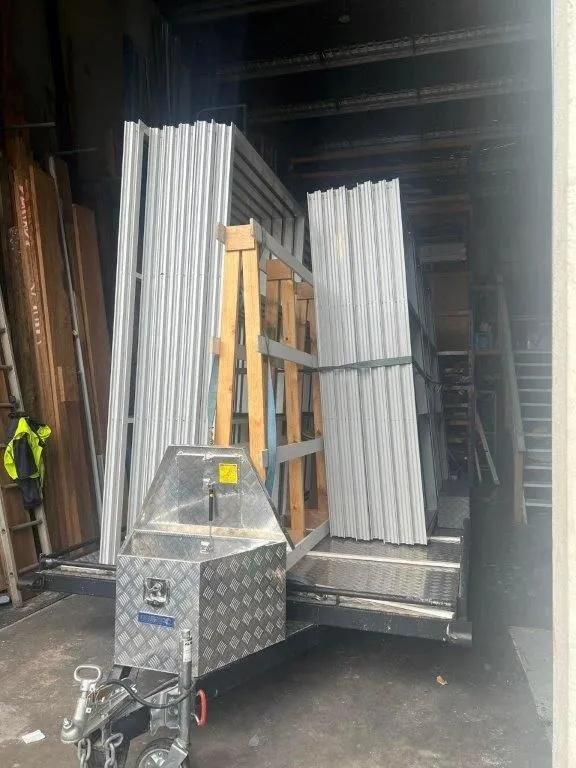
External shading is the most effective way to block heat, because the sun never reaches the glass. Fixed or adjustable aluminium louvres over a west-facing window block the low afternoon sun while still letting air and some light through. We used louvres alongside the glazing at the Marshalls Mercedes-Benz dealership, and the same approach works on homes. Our guide to privacy louvres and heat management covers sizing.
Which one should you choose?
- Keep the view and light: solar control Low-E glass.
- Lowest cost: tinted glass in the existing frame.
- Heat, cold and noise: double glazing with a Low-E pane.
- Worst-case afternoon sun: external louvres, with or without new glass.
Many homes combine two: Low-E glass in the window plus a louvre screen on the worst wall.
Get advice for your room
Send us photos of the window and the direction it faces and we will suggest the most cost-effective fix. We work across Jamisontown, Cambridge Park, Orchard Hills and all of Western Sydney. Call 02 4722 2787.


