
One question we get every week: do I need toughened or laminated? It depends on what you are trying to achieve. Safety from breakage is different to security from intruders, and both are different from sound insulation. Quick guide.
Toughened glass, strong, shatters safely
Toughened (also called tempered) is heat-treated to be roughly four times stronger than regular annealed glass. When it does break, it crumbles into small blunt pieces rather than long shards. That is why it is mandatory in shower screens, pool fencing, balustrades and frameless doors.
Where it falls down: once it breaks, the whole panel is gone. There is no holding things together. For impact-prone shopfronts, that means a single hit takes out the entire facade.
Laminated glass, stays in the frame
Laminated is two layers of glass sandwiched around a clear plastic interlayer (PVB or SGP). When it breaks, the glass cracks but the interlayer holds the fragments in place. The opening is still secure. The opening still keeps weather out.
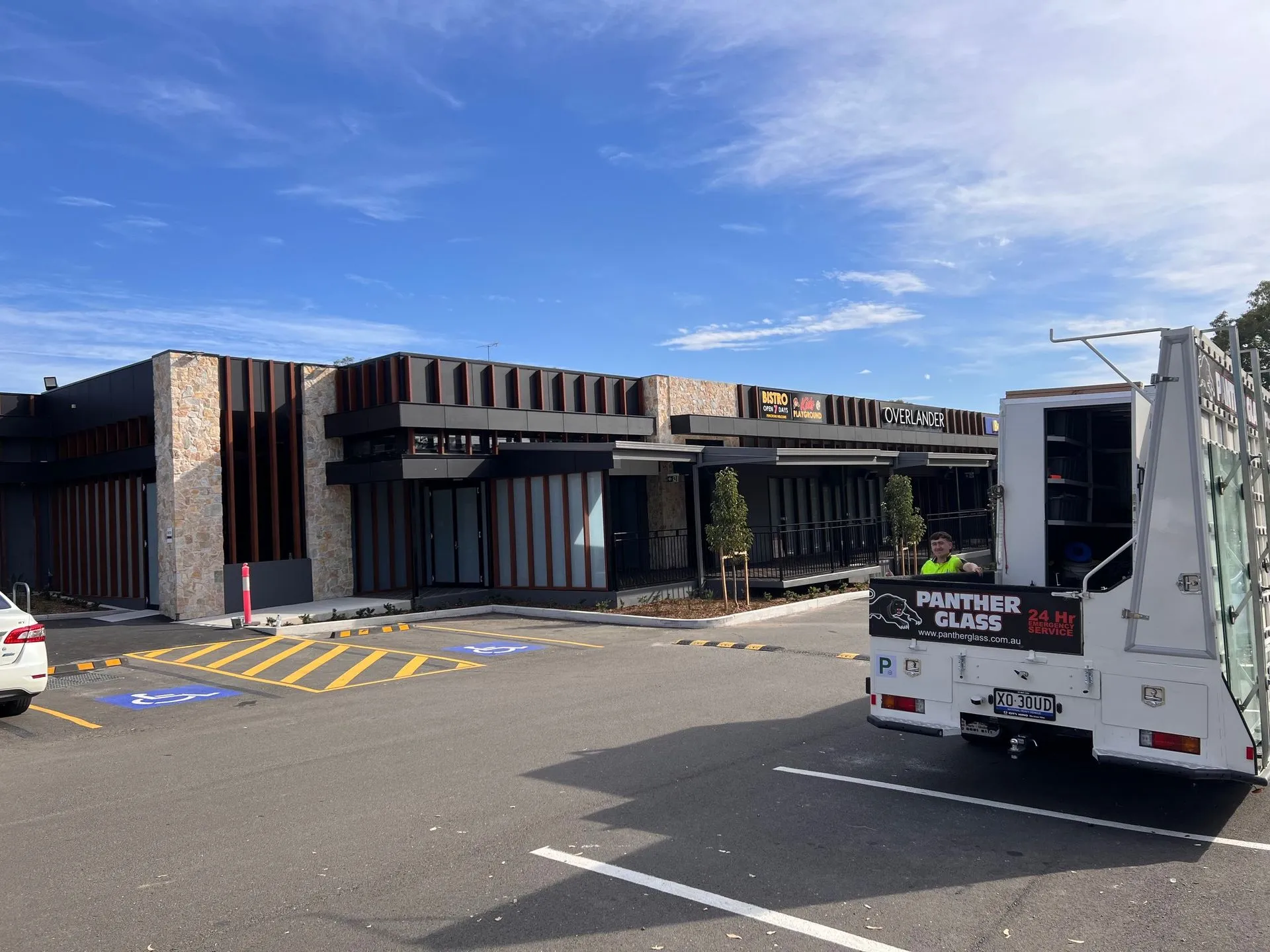
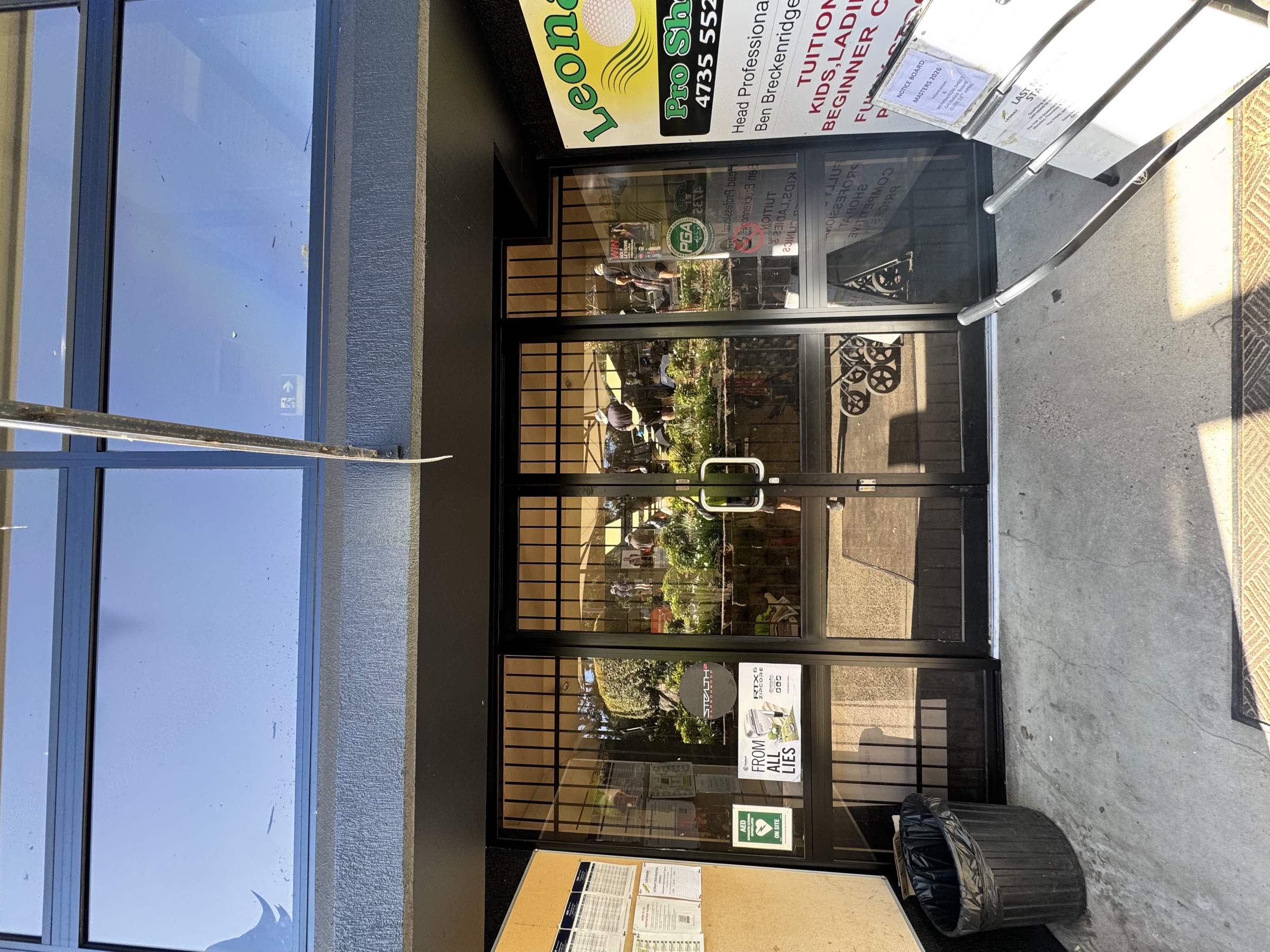
That is why we specify laminated for retail shopfronts in vandalism-prone strips, ground-floor offices, schools, and anywhere a forced entry attempt is plausible. It also blocks more UV and reduces sound transmission, which matters for clinics and cafes near busy streets.
Toughened-laminated, the both option
For balustrades on balconies over three storeys, the code now usually requires toughened-laminated glass. You get the safe-break behaviour of toughened with the in-frame retention of laminated. Slightly more expensive, much harder to walk through.
Quick reference
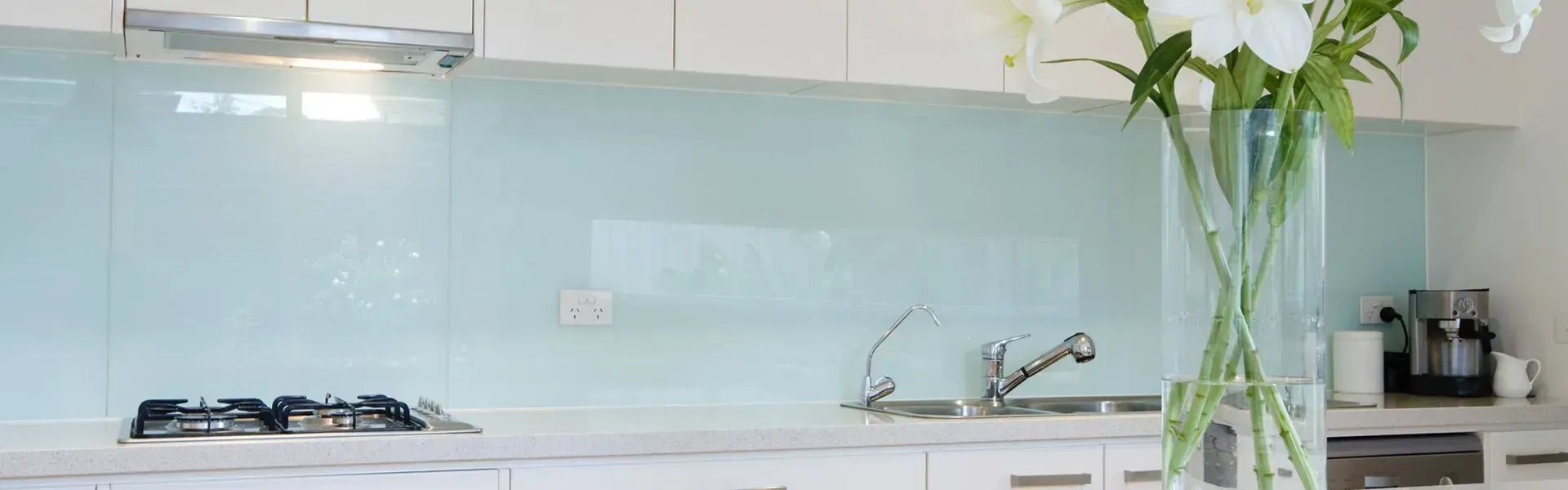
- Shower screens, splashbacks, frameless doors: toughened
- Pool fencing: toughened to AS 1926
- Ground-floor shopfronts in retail strips: laminated 10.38 mm or higher
- Balustrades on balconies above 1 metre: toughened-laminated to AS 1288
- Acoustic windows for clinics and cafes: laminated with acoustic interlayer
- Residential windows in standard locations: usually annealed, toughened in wet areas and within 1.2 m of a door
The honest answer
Most of the time the building code makes the choice for you. AS 1288 prescribes where each type goes by location and pane size. Our job is to read the location, check the code, recommend the right product, and document why. That documentation matters for your insurer and your council.
Not sure what to spec? Send us the location and dimensions on 02 4722 2787 or through the quote form.
Toughened vs laminated at a glance
| Attribute | Toughened (tempered) | Laminated |
|---|---|---|
| How it breaks | Small blunt pebbles, falls out of frame | Cracks but stays held in place by interlayer |
| Strength vs annealed | Roughly 4 to 5 times stronger | Roughly 2 times stronger |
| Containment after break | No, glass falls away | Yes, fragments held in place |
| UV reduction | None | Blocks more than 99% UV |
| Acoustic reduction | None | Reduces external noise noticeably |
| Can it be cut or drilled after manufacture | No, must be ordered to final size | Yes, with care |
| Typical uses | Shower screens, splashbacks, balustrades, frameless doors | Skylights, overhead glazing, shopfronts, security applications |
| Australian Standard | AS/NZS 2208 (Grade A safety) | AS/NZS 2208 (Grade A safety) plus AS 4666 for interlayer |
| Approx cost premium vs annealed | ~30 to 50% more | ~50 to 80% more |
Both materials qualify as Grade A safety glass under AS/NZS 2208. The right choice usually depends on whether you need containment (laminated) or strength and impact resistance (toughened). For some jobs, the answer is both, a laminated panel made from toughened plies.


