
Every quote we send out uses the same five numbers. If you can measure and photograph an existing window before you ring us, we can price the job over the phone the same day instead of scheduling a site measure a week out. Here is the shortest version of how to do it right.
What you need
A retractable tape measure (not a fabric one), a pencil, a notebook or your phone’s Notes app, and about ten minutes per window. That is it. No laser, no square.
The five numbers
1. Height, brick face to brick face. From the outside of the house, measure vertically from the top brick lintel (or the top of the render return) down to the bottom brick sill (or the top of the sill flashing). Not from inside. Not from the frame edges. Brick face to brick face. This is the opening we work into.
2. Width, brick face to brick face. Same principle, horizontal. From the left brick jamb to the right brick jamb, measured on the outside. If the render is chipped or damaged, measure to where the brick edge is even, then note the damage separately.
3. Wall thickness at the reveal. Stick your tape into the reveal (the depth of the opening from outside face of brick to inside face of plaster) and measure. Common numbers are 90 mm (single brick veneer), 230 mm (double brick), and 270 mm+ for insulated cavity walls. This tells us what depth of frame to order.
4. Sill height from the floor inside. Measure from the finished floor level inside up to the top of the existing sill. This matters for handle positioning and for whether we need to keep the sill height (say, above a kitchen bench) or reset it (say, for a new door opening).
5. Head height from the floor inside. From the finished floor up to the top of the existing frame. Combined with number 4, this confirms the vertical opening height and helps us catch mistakes.
The three photos we need
Once you have the numbers, three photos make the rest of the quote possible.
Photo A: outside, standing back. Enough distance to see the whole window with the wall around it. Sun behind you if possible. Shows the wall material, the reveal depth, any awnings or trims we need to keep.
Photo B: outside, close in on one bottom corner. Shows the sill, the flashing (if any), the seal between frame and brick, and the drainage arrangement. This is where water leaks come from, so it drives our detailing.
Photo C: inside, straight on. Shows the architrave, the reveal lining, the current hardware position, and the room context (kitchen bench, bedroom wall, whatever). We use this to work out if the frame goes back the same way or if the opening is being reworked.
Where people go wrong
The three most common mistakes we see, in order of frequency:
Measuring the existing frame instead of the opening. The old frame might be 40 mm smaller than the opening, or it might have been packed in poorly. Always measure brick to brick.
Measuring at one point only. Old openings are rarely square. Measure width at the top, middle and bottom, and height at the left, middle and right. Note the smallest of each. We work to the smallest number so the new frame fits.
Forgetting units. Millimetres, always. Not inches, not centimetres. If your tape shows both, use the mm side (usually the top edge on a metric tape).
What we do with the numbers
Height and width tell us which of our standard configurations your opening matches. If it lines up with a PG code, we can quote off the shelf. If it does not, we quote it as a custom size, which adds around 10 to 15 percent to the frame cost and 3 to 5 business days to lead time.
Wall thickness tells us what frame depth to specify. Sill and head heights let us plan installation without surprises on site.
Commercial jobs
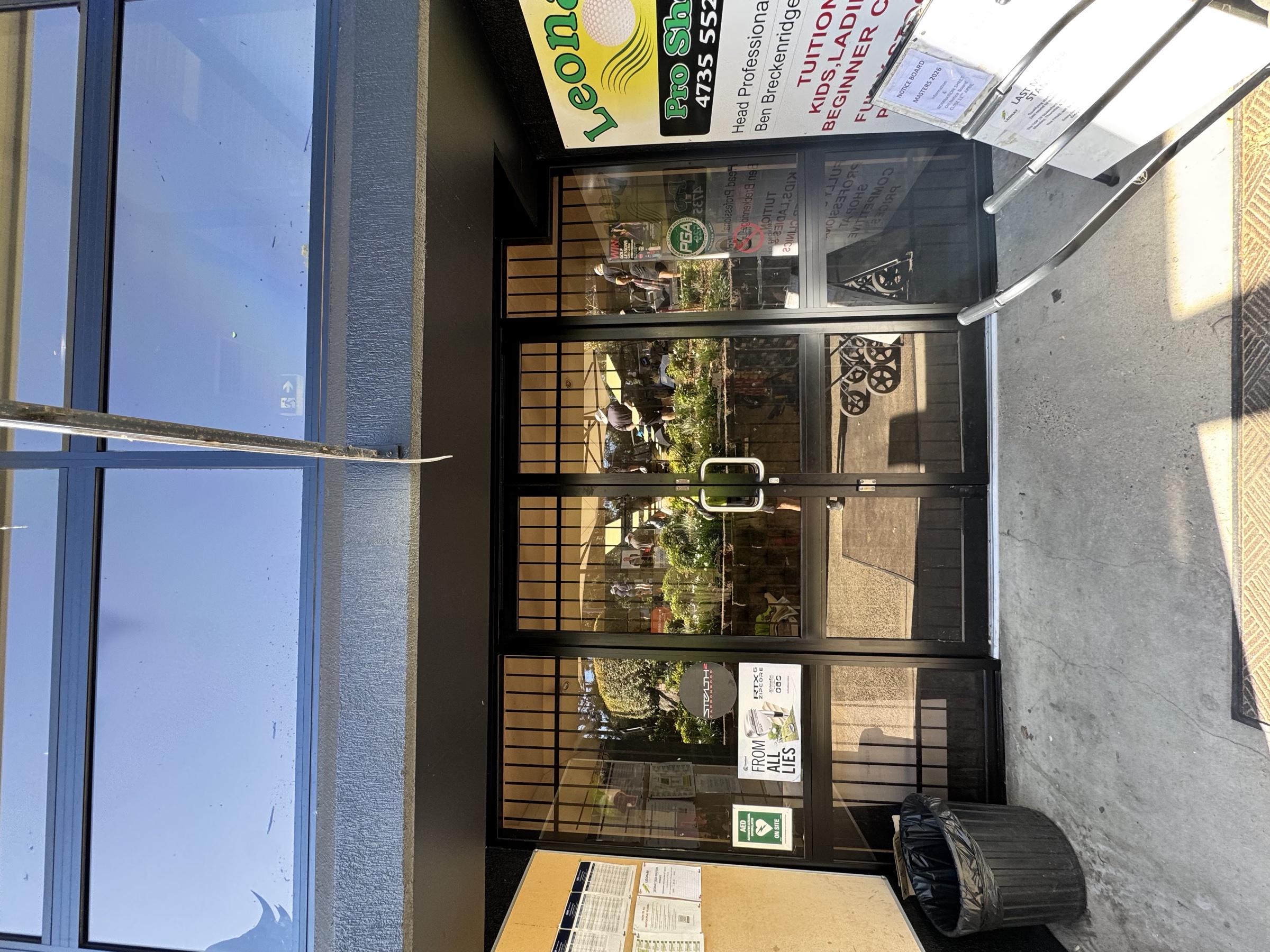
For commercial and shopfront quotes we always do a site measure ourselves regardless, because tolerances are tighter and cladding interfaces matter. But if you are a builder or property manager doing a rough quantity survey, the same five numbers on each opening are enough to give you a ballpark. For a benchmark on how we work through commercial measurement and install, see the commercial window repair and replacement service page.
Send it through
Numbers plus photos, straight to us via the contact form, or attach them to a text. Same-day quote in almost every case.


