
Two paths to new aluminium windows in an existing home: retro-fit (new sash and glazing into the existing frame) or full replacement (rip everything out and start again). The right choice depends on what your existing frame is made of, what condition it is in, and what you are trying to achieve. Here is how we assess each job.
What retro-fit actually is
Retro-fit means keeping the existing outer frame in place and fitting new sashes, tracks, seals and glazing into it. It works best when the existing frame is aluminium in good condition and the same brand or a compatible profile is still available.
Typical use case: a 15-year-old aluminium slider with clouded double glazing, working hardware, but tired seals and the wrong glass. Retro-fit new IGUs, new seals, new rollers. Same frame, new performance.
What full replacement is
Full replacement means the outer frame comes out along with everything else. The opening is prepared, packed to level and plumb, and a new complete window is installed. Then the reveal linings and architraves inside plus the flashings outside are made good.
Full replacement is the default when the existing frame is timber, rusted steel, or aluminium that is deeply pitted or warped. It is also the right call whenever you want to change the window type (turn a slider into an awning) or the opening size.
When we recommend retro-fit
Three conditions have to line up:
- Existing frame is aluminium (not timber, not steel).
- Frame is straight, seals seat cleanly, and there is no corrosion at the sill.
- Sash profile is either the same brand as your target or a modern equivalent will slot in without butchering the frame.
When those line up, retro-fit typically saves 40 to 60 percent versus full replacement, and takes about half the time on site. A retro-fit slider swap is usually a two to three hour job per window. A full replacement is closer to a full day.
When retro-fit is the wrong call
Skip retro-fit when:
- The frame is timber. Even good-condition timber is not designed to hold modern aluminium sashes long-term.
- You want to change the window type (fixed to awning, slider to fixed with awning under).
- You want to significantly upgrade thermal performance. Retro-fitted IGUs into old frames rarely seal well enough at the perimeter for the double glazing to earn its cost.
- The existing frame is a discontinued proprietary system with no compatible modern sash. We see this a lot with 1980s and early 1990s systems.
The hidden cost people miss
Full replacement usually needs reveal and architrave repair inside, and flashing repair outside. Budget an additional $200 to $500 per window for making-good after a full replacement job. This is usually plaster patching, timber architrave replacement, and a fresh coat of paint over the affected wall area.
Retro-fit avoids most of this because the outer frame stays put. The inside architrave is undisturbed.
Insurance and warranty
A full replacement resets the warranty clock on the whole window unit, frame included. A retro-fit warranty covers the new sash and glazing only. The old frame is what it is. If you are replacing after storm damage or a break-in and insurance is picking up the cost, they will usually fund whichever option gets you back to equivalent performance, so document the pre-loss condition thoroughly.
Real commercial example
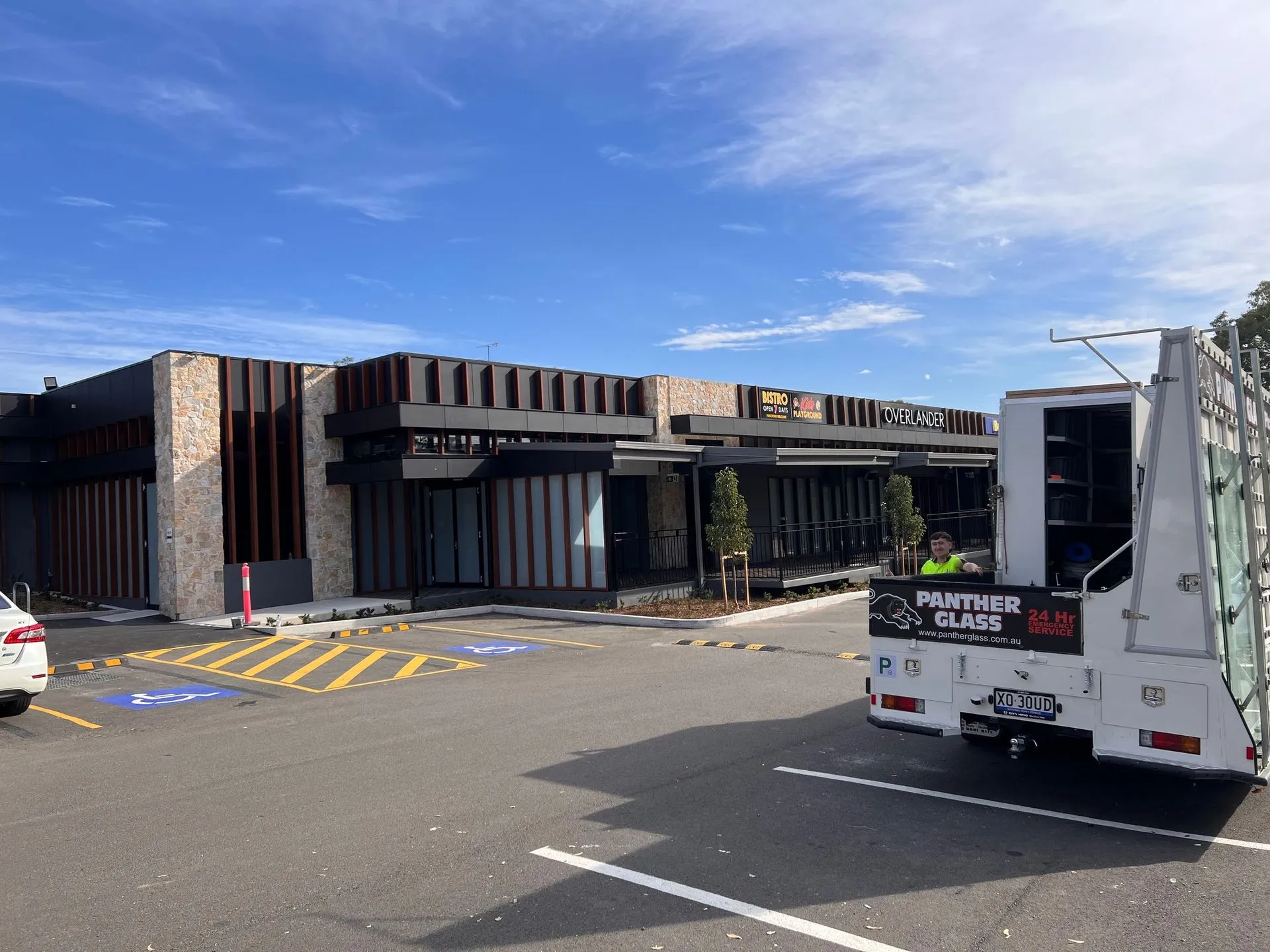
The Fred’s One-Stop Shopping cladding refurb was mostly a full-replacement job, because the existing curtain wall was aged steel with corrosion around the fixings. The commercial window repair page covers how we assess commercial retro-fits vs full replacement.
How we decide on site
When we come out for a quote we do three checks:
- Tap-test the frame at the sill and jambs. Solid, no give, no rust flakes: retro-fit candidate.
- Check the reveal seal from outside. Clean caulk line, no swelling, no water staining below: retro-fit candidate.
- Confirm the brand and profile against our current supplier ranges. Compatible: retro-fit is viable. Not compatible: full replacement is the safer call.
Any question on your specific windows, send us photos through the contact form and we can usually tell you within a couple of hours which path is right, before scheduling a site visit. Our full aluminium window and door range shows the modern standard configurations we work with.


