
Homes running along or set back from the Great Western Highway between Kingswood and Emu Plains have a specific noise profile: constant low rumble from heavy freight, spike loads from motorbikes, and truck engine braking on the downhill sections. It never really stops. Retrofitting the right glazing is the single biggest quality-of-life upgrade we do for these homes. Here is how we approach it.
Traffic noise is different from aircraft noise
Aircraft noise is intermittent, peaks high, and sits in the mid to high frequency range as jets pass overhead. Acoustic glass with mid-range optimisation handles it well.
Traffic noise on a highway is continuous, sits lower in the frequency spectrum (bass-heavy from truck engines and tyre noise), and has broad-band character. It calls for a slightly different acoustic specification: thicker laminate on the outer pane, wider gas gap, and often heavier interior pane.
The spec we usually recommend
For highway-frontage homes we spec:
- Outer pane: 8.38 mm acoustic laminate. Heavier and thicker than the standard 6.38, because the outer pane does the heavy lifting on low-frequency traffic noise.
- Gap: 16 to 20 mm argon-filled.
- Inner pane: 6 mm float or 6 mm Low-E depending on thermal priority.
Total assembly is 30 to 34 mm thick, weighs about 40 kg per square metre, and reaches Rw of 42 to 44 dB installed. That is a genuine step change over standard double glazing.
What that means in your living room
A B-double truck rolling past a highway-frontage home reads at about 78 to 85 dB outside the wall. Through a single-glazed window that drops to about 55 to 62 dB inside (loud enough to interrupt a phone call). Through the acoustic IGU spec above, the same truck reads at about 40 to 45 dB inside. That is quieter than a fridge hum, and comfortable to have on in the background.
Continuous freight noise drops from always aware of it to you have to think to notice it. Which for most clients is the actual goal.
Where to spend first, if you cannot do the whole house
Priority order for a highway-frontage retrofit:
- Bedrooms facing the highway. Sleep is the largest quality-of-life gain and the payback per dollar is highest.
- The living or family room where the household actually spends time in the evening.
- The study or home-office room if anyone works from home.
- Any window on the highway-facing wall, working outward from the noisiest end of the house.
Kitchen and wet areas are lowest priority because you are active in those rooms and noise-tolerance is higher.
Frame and seal upgrades that make the glass worth it
Retrofitting acoustic glass into a leaky old timber-framed window with brush seals wastes half the money. If your existing frames are:
- Aluminium with compression seals in good condition: retro-fit the new IGU into the existing frame with new seals. Cost-effective.
- Aluminium with brush-seal tracks (older sliders): replace the sash and track, or upgrade to a fixed and awning configuration on that wall. Compression seals on awnings are much better acoustically than brush seals on sliders.
- Timber, especially double-hung sash windows: full replacement is the right call. Timber frames cannot achieve the sealing needed for acoustic glass to earn its cost.
Full aluminium frame range on the Windows and Doors overview, with the acoustic-friendly awning window configurations being our default for highway-facing rooms.
Ventilation without the noise
Every noise-critical room needs ventilation strategy separate from opening the windows. Options:
- Trickle vents (small acoustic-baffled slots in the frame) provide passive ventilation with minimal noise penetration.
- Balanced ducted ventilation (HRV/ERV systems) exchange air continuously through insulated ducts.
- Simple ceiling fans plus occasional short-duration opening in low-traffic hours (early morning, late evening).
We handle glass and frames. Ventilation systems we can refer to trusted local trades.
What it costs realistically
Highway-spec acoustic IGU for a standard bedroom window (1800 x 1200 mm), full replacement including new aluminium frame: $2,000 to $2,800. Retro-fit into an existing sound aluminium frame: $1,400 to $1,900. A whole highway-facing wall of a typical Penrith home (three to four windows) usually lands in the $7,000 to $12,000 range.
Insurance sometimes contributes if you have documented noise-related health impact and existing acoustic protection is failing. Ask us to document the pre-upgrade condition so you can pursue a claim if applicable.
Commercial and mixed-use frontage
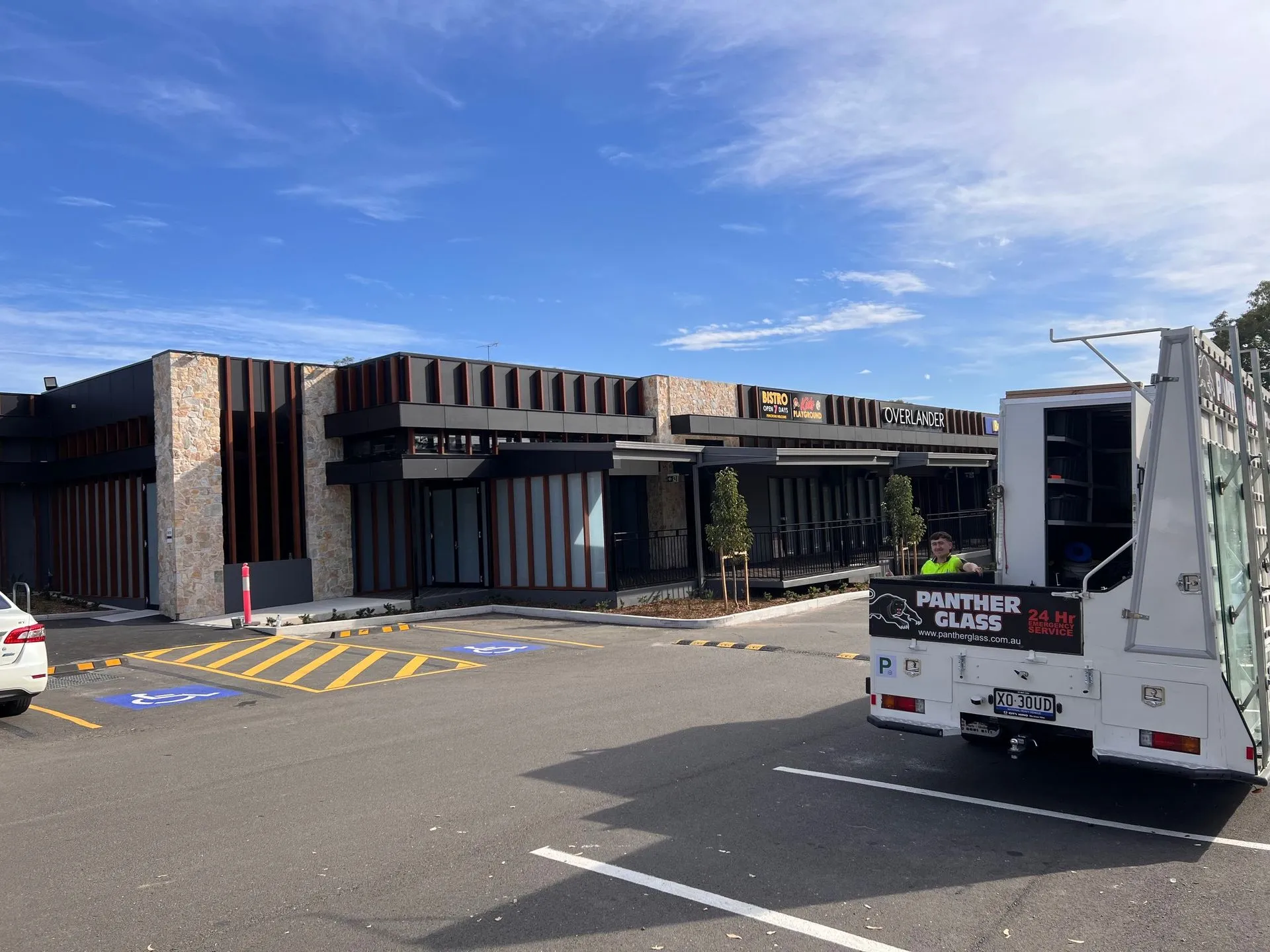
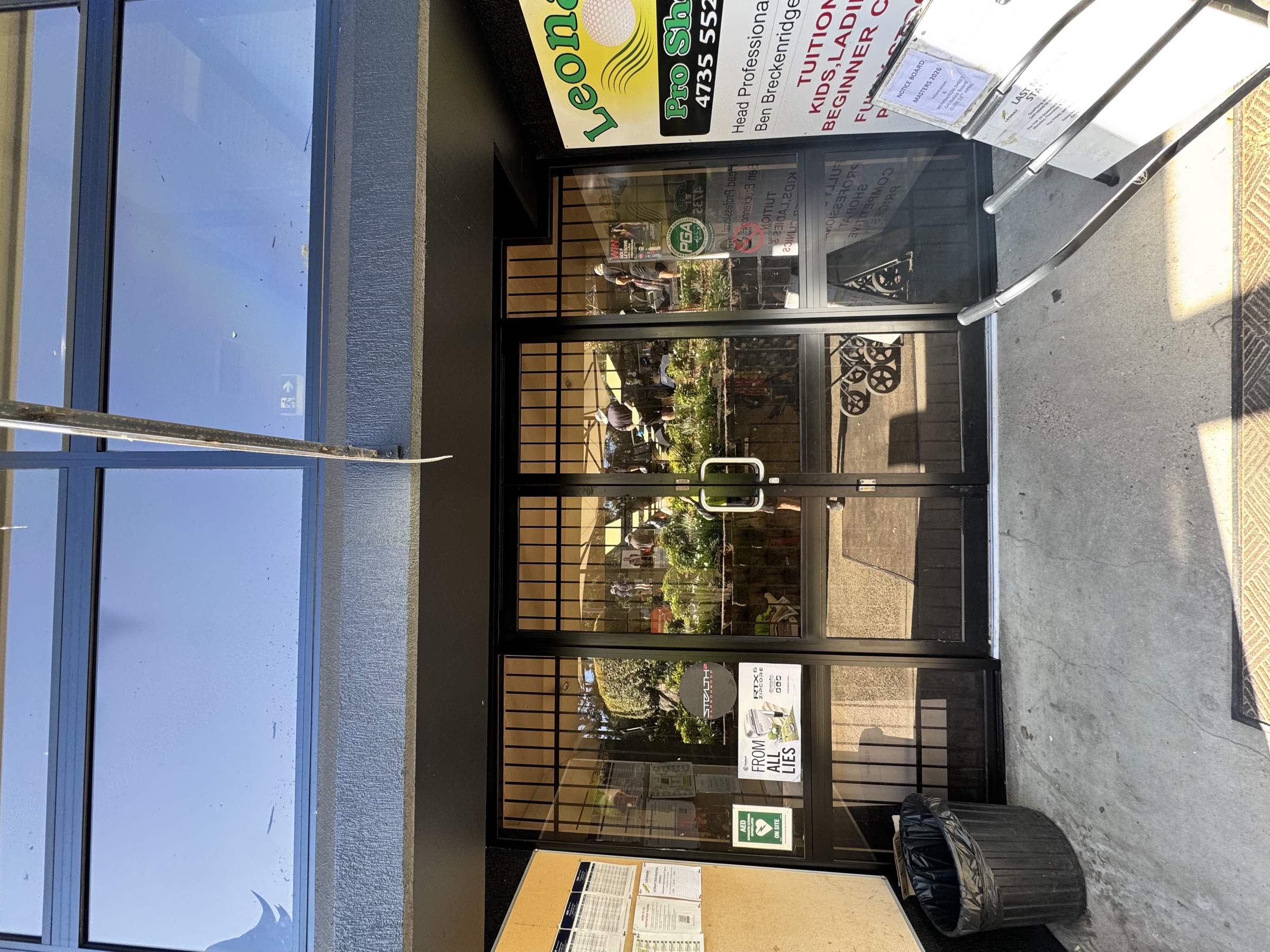
For shopfronts and offices along the highway the same spec logic applies but with tempered laminate outer panes for impact resistance. See the commercial window repair and replacement service for context on how we handle commercial acoustic and safety-glass upgrades together, and the Joan Sutherland Centre refurbishment for an example of large-scale multi-glazing project scoping.
Getting a quote
Photo of your existing window from inside plus outside, a note on which rooms face the highway, and the wall dimensions. Send it through with your name and suburb and we can quote within one working day.

