
If you build or fit out commercial spaces in NSW, you have seen AS/NZS 2208 stamped on a glass panel and read about it in a specification. You probably also know it sets safety glass requirements. What is less clear, until something goes wrong on a job, is exactly where it applies and what gets rejected by a certifier.
This is the plain-English version, written from a glazier’s perspective after thirty-five years of compliance jobs.
The short answer
AS/NZS 2208 is the Australian and New Zealand standard for safety glazing materials used in buildings. It covers the impact performance, marking and testing of glass that goes into “human impact” locations. The National Construction Code (NCC) references it directly. If you use safety glass in a doorway, a sidelight, a balustrade, a shopfront, a wet area or any panel below 1500mm above floor level, it has to meet AS/NZS 2208. Penalties for non-compliance fall on the principal contractor, not the glazier.
What “safety glass” actually means
Safety glass is glass that has been processed so it does not cause serious injury when it breaks. There are two main types.
- Grade A toughened: heat-treated so it shatters into small blunt pieces.
- Grade A laminated: two or more sheets bonded with an interlayer so the glass stays in the frame when broken.
Both meet AS/NZS 2208 Grade A. Both are acceptable in human-impact zones.
What is not safety glass:
- Annealed (regular) float glass.
- Wired glass (was once allowed, now generally not).
- Thin glass under the minimum thickness rules.
Annealed glass is fine in plenty of locations: high windows, certain external panels, picture frames. It is not fine in any location where a person could fall into it.
Where it applies in a commercial fit-out
The NCC and the standard call out specific zones. The ones that come up most often on fit-outs:
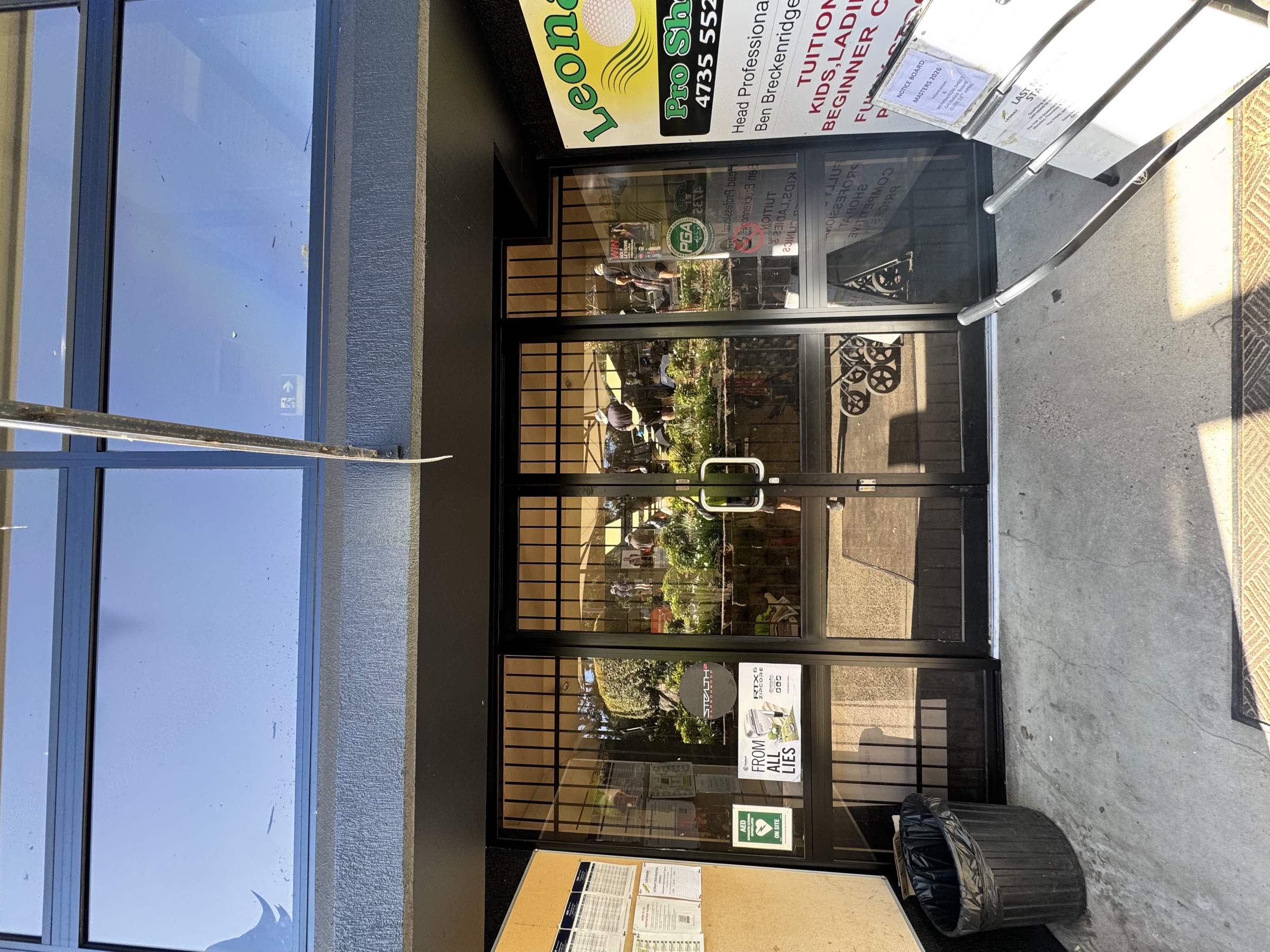
- Doors and door sidelights, regardless of height.
- Glass within 300mm of a door edge.
- Glass below 1500mm above finished floor level in main traffic areas.
- Bathrooms, ensuites and wet areas (most glass in these spaces must be safety).
- Pool fencing, balustrades and barriers.
- Shopfronts and entrances.
- Stair sidings and landings.
- Glass forming part of a balustrade or barrier above 1m fall.
If you are unsure, default to safety glass. Cheaper to put it in than to replace it during the certifier walkthrough.
What an inspector looks for
A building certifier or private certifier checks three things during a glass inspection:
- The mark on each panel. Toughened and laminated glass must be permanently marked with the standard reference (AS/NZS 2208), the manufacturer’s name or trademark, the glass type, and the date.
- The certificate from the supplier. A piece of paper or PDF that confirms the panel meets the standard, signed by the manufacturer.
- The installation specification. Right glass thickness, right framing, right wind load class.
If the mark is missing on a panel, the certifier can ask for the panel to be removed and replaced. That is a real cost on a fit-out budget. Make sure your glazier supplies marked panels.
Glass thickness, wind load and span
AS/NZS 2208 covers the impact performance. AS 1288 covers the structural design (glass thickness for a given span and wind load). The two work together.
For a typical office or retail fit-out:
- Internal partitions: usually 10mm or 12mm toughened.
- Shopfront panels under 2.5m tall: 10mm toughened.
- Shopfront panels 2.5m to 3.5m: 12mm toughened.
- External facade glass: depends on wind load, usually 10mm to 15mm.
- Frameless balustrades: 12mm or 15mm toughened laminated.
Your glazier should design the glass schedule against the local wind region (Penrith is in N1 to N3 depending on terrain category). If they cannot tell you the wind region for your site, find another glazier.
Where compliance commonly fails
Six issues we see again and again on builders’ jobs:
- Annealed glass in a wet area. Bathroom mirrors and small panels installed without checking the spec.
- Annealed sidelight next to a door. Old job, never updated.
- Glass that meets the standard but is not marked. Marking has rubbed off or was never applied.
- Balustrade glass set into a poorly designed channel. The glass is fine, the support is not.
- Tinted glass on a north-facing window without thermal stress check. Cracks in summer.
- A “near enough” thickness call. 6mm where 10mm should be.
All of these get picked up at certification. All of these are fixable before certification if the build team and the glazier talk early.
The cheap glass trap
Some imports get sold as “complies with AS/NZS 2208” without genuine certification. This has tightened up over the last five years but still happens. The panel might be physically toughened but the testing paperwork does not exist.
If a certifier or insurer presses for documentation, the supplier disappears, and the principal contractor wears the cost of replacement. The savings on the import are not worth the risk.
We supply Australian-toughened glass from manufacturers we have used for years. Certification is real. Marking is permanent. Replacement is fast if anything ever goes wrong.
For commercial window repair and replacement, we tell builders the glass source on the quote. Transparent supply means transparent compliance.
Documentation that should land on the builder’s desk
Every commercial install we complete includes:
- Certificate of installation with date and address.
- Manufacturer’s compliance certificate against AS/NZS 2208.
- Glass schedule listing each panel and its specification.
- AS 1288 design calculations where relevant.
- Energy ratings on IGUs.
- Public liability insurance certificate.
That pack goes to the principal contractor or the project manager. Hand it to the certifier and the inspection moves quickly.
Working with us on builds
The smoother fit-outs share a few patterns:
- Glazier on the site walkthrough before final program lock-in.
- Glass schedule reviewed against AS/NZS 2208 and AS 1288 before order.
- One contact between the builder and the glazier.
- Final measure done on site with the supervisor present.
- Compliance pack delivered at handover.
We work on builds in St Marys, Penrith, the broader Western Sydney area, and on bigger jobs further out. Commercial fit-outs, retail builds, medical and dental, light industrial. The compliance routine is the same regardless of scale.
When to call us
Bring us in early on these:
- Any tender where glass is a major scope item.
- Any fit-out where the certifier is known to be strict.
- Any project where the architectural intent uses oversized or specialty glass.
- Any job where you have inherited compliance issues from a previous contractor.
Call 02 4722 2787 or send the drawings to our quote form. We will review the schedule before the order goes in.
FAQ
Does AS/NZS 2208 apply to residential work too? Yes, in all the same human-impact zones. Most domestic shower screens, frameless balustrades and pool fencing fall under it.
What is the difference between AS/NZS 2208 and AS 1288? AS/NZS 2208 covers the impact performance of safety glass. AS 1288 covers the design and installation rules (thickness, span, framing). Both apply to most commercial installs.
Is wired glass still allowed in fire-rated locations? Limited. Modern certifiers usually require certified fire-rated glass that meets both safety and fire standards. Specialty product.
Can you certify glass installed by another contractor? We can inspect and provide a report, but the certificate of installation should come from the installing glazier. If the original installer is gone, we may be able to replace and re-certify.
Compliance is mostly about spec, supply and paperwork. Get those three right and the inspection is a walk-through, not a fight.


