
Aluminium’s biggest advantage over timber and steel is that it does not rust in the traditional sense. But it does corrode, and neglected aluminium frames can fail long before their design life. Here is the field-tested maintenance schedule we recommend to clients across Penrith and Western Sydney, plus how to tell when a frame is past saving.
Why aluminium does not rust but can still fail
Rust is iron oxide. Aluminium has no iron, so classical rust cannot happen. What aluminium does instead is form an aluminium oxide layer on its surface when exposed to oxygen. That oxide layer is actually protective, which is why untreated aluminium can sit outdoors for decades in inland Australia without visible degradation.
The failure modes to watch for are different:
- Pitting corrosion: tiny craters that develop when contaminants (usually salt or industrial pollution) break through the protective oxide.
- Galvanic corrosion: accelerated corrosion where aluminium contacts dissimilar metals (steel screws, copper flashings) in the presence of moisture.
- Powder coat failure: chalking, chipping or peeling of the protective finish, exposing bare aluminium to accelerated pitting.
- Hardware wear: rollers, tracks, latches and stays. Not aluminium failure but the most common actual reason frames need replacement.
Western Sydney is aluminium-friendly, mostly
Penrith’s inland climate is much easier on aluminium than coastal Sydney. No salt spray, moderate humidity, low industrial pollution. Well-maintained aluminium frames in Penrith routinely reach 30 to 40 years before hardware or seals need attention, and the frames themselves often outlast the house.
Exceptions we see:
- Properties directly adjacent to heavy industry (some Emu Plains and St Marys light industrial fringes).
- Homes near swimming pools where chlorine vapour hits the frames repeatedly.
- Older frames from the 1970s and 1980s where powder-coat quality was inconsistent.
Twice-a-year maintenance, ten minutes per window
Autumn and spring, do this for every aluminium window and door:
- Hose off the outside of the frame with fresh water. Removes accumulated dust and pollen.
- Wash the frame with warm water and mild dishwashing detergent, soft cloth. Never abrasive cleaners, never solvents, never bleach.
- Rinse with fresh water and dry with a microfibre cloth.
- Vacuum the tracks (sliders) or the drainage weep holes at the sill (all windows). Blocked drainage is the number one cause of hidden corrosion at the sill.
- Wipe seals with a slightly damp cloth. Never lubricate rubber seals; they should stay clean and dry.
Total time: about 10 minutes per window if you are efficient. Total impact: frames that reach 40 years in Penrith conditions.
Hardware, once a year
Sliding windows and doors have moving parts that need occasional attention:
- Sliding tracks: vacuum thoroughly, then wipe with a dry cloth. If sticky or gritty, use a soft brush and warm water. Silicone spray sparingly on the roller wheels if they feel dry. Never oil or WD-40 the tracks; it collects grit and accelerates wear.
- Awning stays and hinges: check for smooth operation. Slight silicone spray on pivot points if squeaky. Tighten mounting screws if you can see any movement in the hinge.
- Locks and latches: dry graphite lubricant in the keyway once a year. Never oil-based lubricants (they attract dust).
- Handles: check for looseness. Tighten any exposed screws.
When you find pitting or bubbling
Small pitting on the powder coat (pinhole-sized spots showing bare metal) can be touched up with matched touch-up paint from any powder coat supplier. Larger areas or bubbling paint that lifts off is a sign the substrate has corroded and the finish is delaminating. That usually means the powder coat is compromised across a wider area than what you can see.
Options at that stage:
- Chemical strip and full re-powder-coat of the frames while they remain in place. Specialist job. Around $250 to $500 per window depending on access and size.
- Full replacement of affected frames. Cost-effective if multiple windows are affected or if you want to upgrade glazing at the same time.
- Retro-fit new sashes into the existing frames if the outer frame is structurally sound. Only viable if pitting is on the sashes and not the frame perimeter.
Galvanic corrosion, what to watch for
The classic galvanic problem in Penrith is a steel bracket, screw or flashing installed against an aluminium frame. Over years, moisture between the two metals sets up a small electrical current that eats the aluminium selectively at the contact point. You will see a white powdery residue at the interface, sometimes with visible pitting behind it.
Fix: replace steel components with stainless steel or aluminium equivalents, insulate any dissimilar-metal contact with a non-conductive gasket or bituminous membrane, and inspect annually.
Signs the frame is past saving
Full replacement is the right call when:
- Pitting has penetrated through the frame wall at any point, exposing the extrusion cavity to the outside.
- The sill has separated from the jamb (visible gap that opens under load).
- The powder coat has failed over more than 20 percent of the frame area.
- The hardware pockets are corroded to the point rollers or hinges cannot be replaced.
At that point, retro-fit is almost never economically viable. Full replacement with new aluminium framing gives you 30 or more years of new service life plus modern glazing options and seal performance.
Commercial context
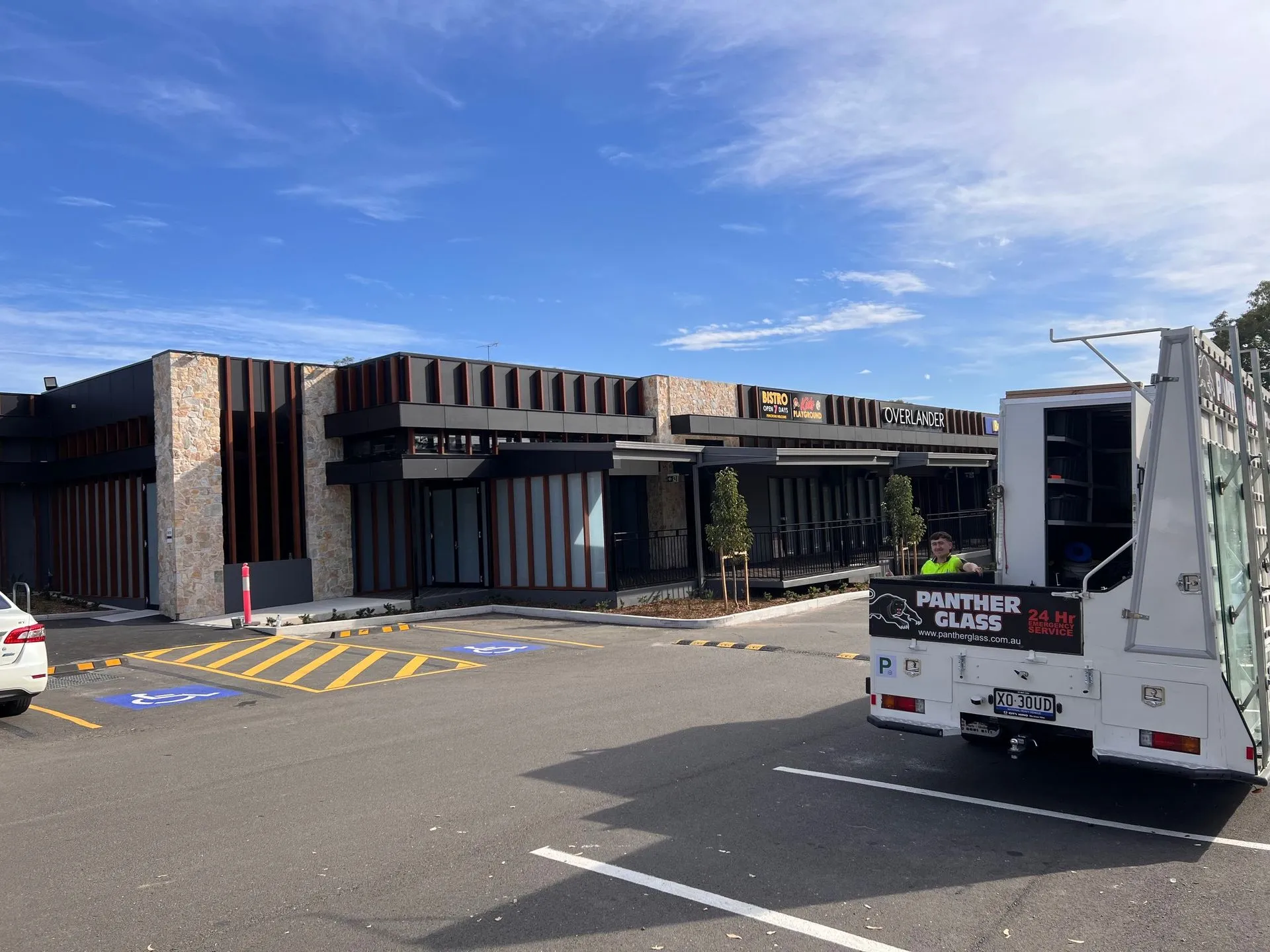
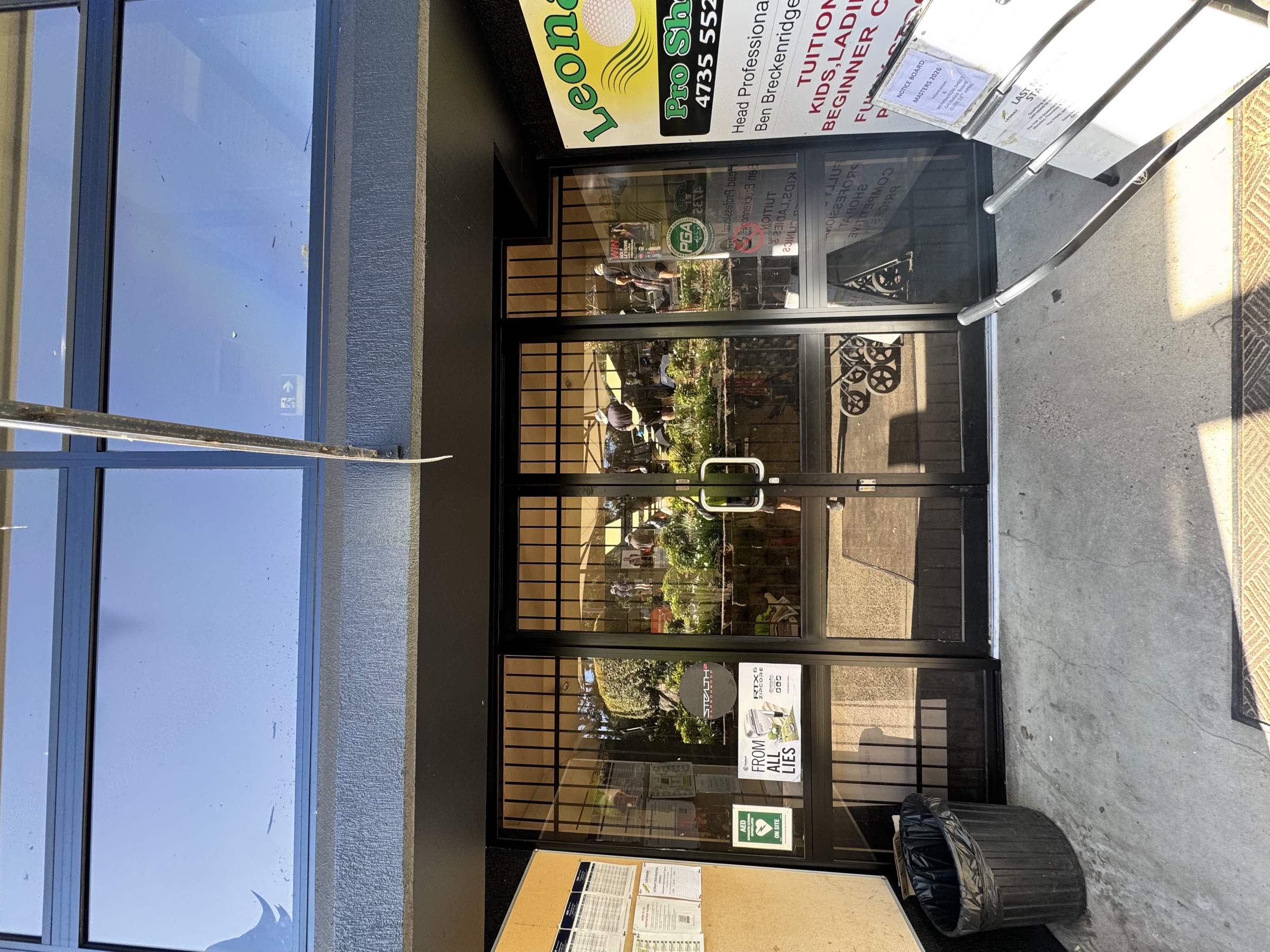
Commercial curtain-wall aluminium sees the same failure modes plus water penetration at mullion joints and thermal-expansion fatigue. Our commercial window repair service covers the full assessment process for aged commercial glazing. The Marshalls Mercedes refurbishment was a case where selective replacement of the corroded sections at the ground-floor showroom paired with re-coating of the upper louvres delivered a fresh look at less than half the cost of full facade replacement.
Bottom line
Ten minutes per window twice a year is the difference between aluminium frames lasting 20 years and lasting 40. Cheap insurance. Any assessment or replacement quote, our full aluminium window and door range is the starting point, and we can come and inspect existing frames in person during business hours. Contact us or call 02 4722 2787.

