
Glass is the trade most property managers think about only when something breaks. That works most of the time. The other times are expensive. A preventative pass on the glass elements of your portfolio every 60 days catches the small issues before they become major repairs and gives you something to point to during owner reviews.
This is the checklist we share with the property managers we work with regularly in Penrith and Western Sydney.
The short answer
Every 60 days, walk each property and check: window seals, frame condition, pool fence compliance, shower screen hinges, splashback edge silicone, balustrade spigots, mirror corrosion, shopfront panels, and access glass. The whole check takes 30 minutes per property and prevents about 80 per cent of the emergency calls we get from portfolio properties.
Why 60 days
Sixty days is the right rhythm for glass maintenance because:
- It is short enough to catch deterioration before failure.
- It is long enough to not feel constant.
- It aligns with most quarterly inspection cycles.
- It fits with seasonal change checks (summer, autumn, winter, spring).
- Most issues develop over weeks, not days.
Monthly is overkill. Quarterly misses summer thermal events. Sixty days hits the sweet spot.
The walk-through itself
A typical 60-day check takes 20 to 40 minutes per property. The order:
- Exterior walk-around.
- Interior room-by-room.
- Wet areas (kitchens, bathrooms, laundry).
- Outdoor (balcony, deck, pool).
- Document findings.
Do it with a checklist (this one), a phone for photos, and a notepad for anything that needs attention.
Exterior checklist
For each property, exterior:
- All windows visible from outside intact (no cracks, no chips).
- No loose or missing window putty around old timber frames.
- Aluminium frames not corroded or pitted.
- Window seals (rubber gaskets) not perished or shrunken.
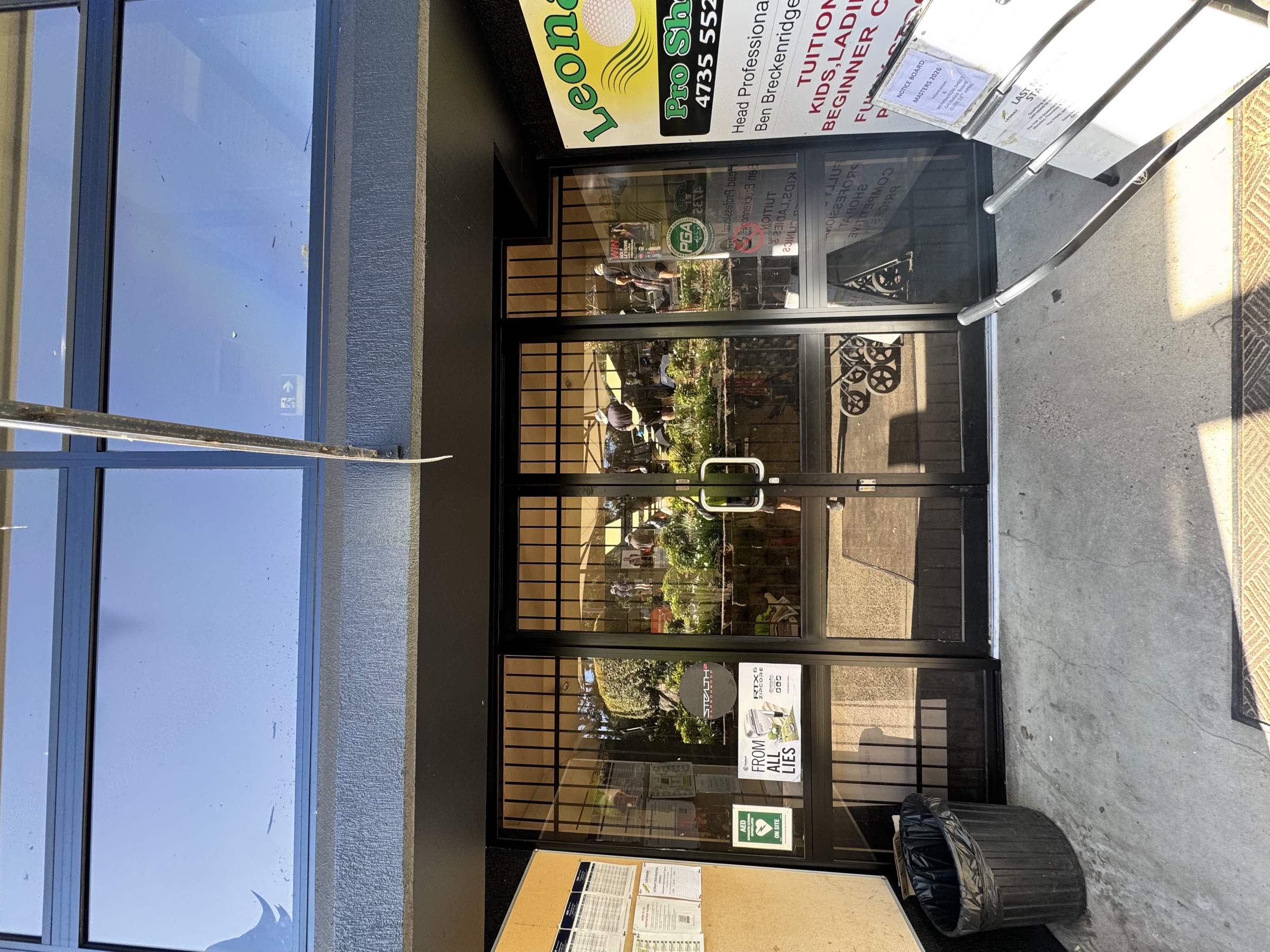
- Shopfront panels (if commercial) free of damage.
- Front door glass intact and securely fixed.
- Garage door glass panels (if any) intact.
- No water staining or condensation pattern between panes (double glazing).
- No signage or stickers blocking part of any panel (thermal stress risk).
- Awnings and shading still functional.
Note any cracks, chips, or fogging. Photograph each issue.
Interior checklist
Room by room, interior:
- Window glass clean and intact.
- Window latches functional.
- Window seals intact (no air gaps).
- Internal mirrors showing no edge corrosion or major spots.
- Shower screens: doors open and close smoothly.
- Shower screen hinges not loose or dropping the door.
- Shower screen silicone seals intact (no mould or gaps).
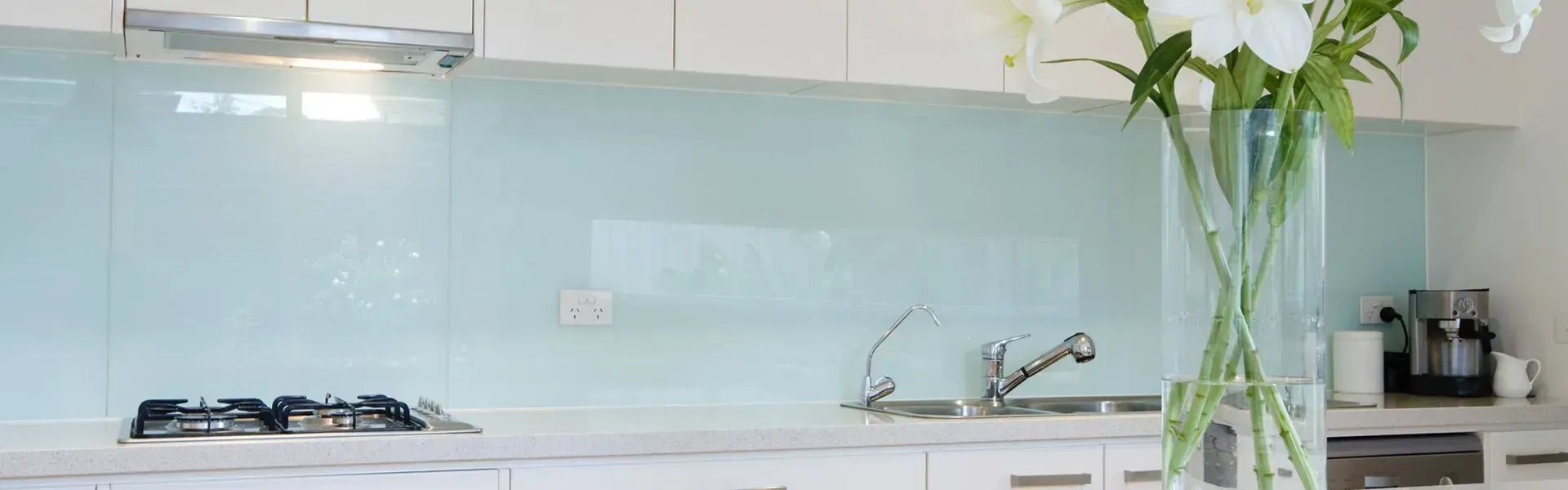
- Splashback panels free of cracks or lifting.
- Splashback edge silicone intact at bench and wall joins.
- Glass internal doors or partitions undamaged.
- Skylight glass (if accessible) intact.
Make notes of any minor cosmetic issues that will become bigger problems if left.
Wet area focus
Wet areas need extra attention:
- Shower glass hinges checked for play. Push gently and feel for movement.
- Shower base around the door for water stains (indicates leak).
- Silicone seals on the floor side of the screen.
- Mirror bottom edge for moisture damage.
- Splashback paint visible from the back (corner cabinets often show this first).
- Bathroom window glass for moisture trapped between panes.
A failing shower screen seal lets water out for months before anyone notices. Catch it on the 60-day check.
Outdoor: pool, deck, balcony
If the property has any of these:
- Pool fence glass panels intact (no cracks, no chips on edges).
- Pool gate self-closing and self-latching.
- Pool gate latch height 1500mm from ground.
- Pool fence gaps under 100mm at base and between panels.
- Pool fence spigots tight and not corroded.
- Deck balustrade panels intact.
- Deck balustrade spigots tight (push test each panel).
- Balcony glass intact and not flexing.
- No climbable objects within 900mm of pool fence outside.
Pool compliance is the most likely thing to trigger a council fail. Walk the fence each 60-day cycle.
Commercial property additions
For commercial properties (offices, retail, industrial):
- Shopfront panels intact.
- Shopfront framing not bowed or movement-stressed.
- Internal partition glass intact.
- Glass entrance doors functioning, not dropping.
- Door floor seals intact.
- Disabled access door glass intact.
- Fire-rated glass (where required) not damaged.
- Compliance markings still visible on all key panels.
For retail tenants, also check that promotional stickers and signage are not creating thermal stress on the panel.
Document and act
After the walk-through, sort findings into three buckets:
- Immediate action. Anything safety critical (cracked balustrade, pool fence non-compliance, glass door not closing). Action within days.
- Plan and quote. Anything that will become urgent in the next 60 days (advanced silvering, lifting splashback, perished seals). Get a quote and present to owner.
- Note and monitor. Anything minor that is not urgent (minor edge silvering on a non-essential mirror, cosmetic scratches). Re-check next cycle.
Email the findings to the owner with photos. Many property managers find this is a value-add that owners notice and remember at renewal time.
How we work with property managers on maintenance
For the property managers we work with regularly, we offer:
- Site visits to walk the portfolio and identify upcoming work.
- Bulk pricing on routine repairs (silicone replacement, hinge tightening, gasket replacement).
- Compliance reports for pool fences, balustrades and safety glass.
- Quarterly inspections of key properties (especially commercial).
- A single contact for all glass-related questions across the portfolio.
This works particularly well for property managers handling 100+ properties across Penrith, Cranebrook, Glenmore Park, Emu Plains, St Marys and Kingswood. We cover commercial through commercial window repair and residential through splashback and domestic glass.
Reasons this checklist saves money
A few real examples from the past year:
- A pool fence in Cranebrook had a cracked panel discovered during a 60-day check. Replacement scheduled. Owner sold the property four weeks later. No compliance delay at sale.
- A commercial shopfront in Kingswood showed early bowing during a check. Frame remediated before the panel cracked. Saved $2,000+ in panel replacement.
- A shower screen hinge in Glenmore Park was visibly dropping. Tightened on a regular maintenance visit. Prevented door drop, glass scratch on tile and emergency call.
- A splashback in Emu Plains had visible edge lifting. Re-sealed during a maintenance pass. Prevented full replacement.
Each of these saved between $500 and $3,000 in avoided emergency work or larger repairs.
Setting up an account
For property managers in Western Sydney, we offer account access. The setup takes one phone call. Once it is live, the next call about a problem is half the time and you get pre-agreed pricing for common jobs.
The benefits:
- Priority phone routing.
- Single invoice per month if preferred.
- Photo and report format to suit your software.
- Direct dispatch on known properties.
- Maintenance visits scheduled around your inspection cycle.
Particularly useful for managers running a portfolio across Penrith and the surrounds.
When to call us
Call us if:
- Any of the immediate action items show up.
- A property is being prepared for sale or lease and needs presentation.
- A new property is being onboarded and you want a baseline assessment.
- An existing maintenance cycle has identified a backlog of small issues.
Phone 02 4722 2787 during business hours, or 02 4722 2787 any time for emergencies (same number). The contact form is the fastest path for non-urgent quotes.
FAQ
Can we get this checklist as a printable document? Yes. Email sales@pantherglass.com.au and we will send the PDF version.
Do you do the 60-day inspections for property managers? For portfolio accounts, yes. We can run quarterly or bi-monthly checks on key properties.
What is the typical cost of a 60-day maintenance visit? For a single property, $200 to $400 depending on size and location. Cheaper per property when bundled with a portfolio.
Is this checklist useful for owner-occupiers too? Yes. Take the relevant sections and use them for your own home.
Sixty-day maintenance feels small. The accumulated savings over a year of avoided emergencies is the real story. Use this checklist as a starting point and adapt it to your portfolio.
That wraps up the 60-day insight series for Panther Glass. From the first broken window in Penrith to a maintenance checklist for the whole portfolio, the same theme runs through: glass problems are simpler when you have the right glazier and the right approach. If you have any questions about anything in this series, phone us on 02 4722 2787 or send a message through our contact form.


